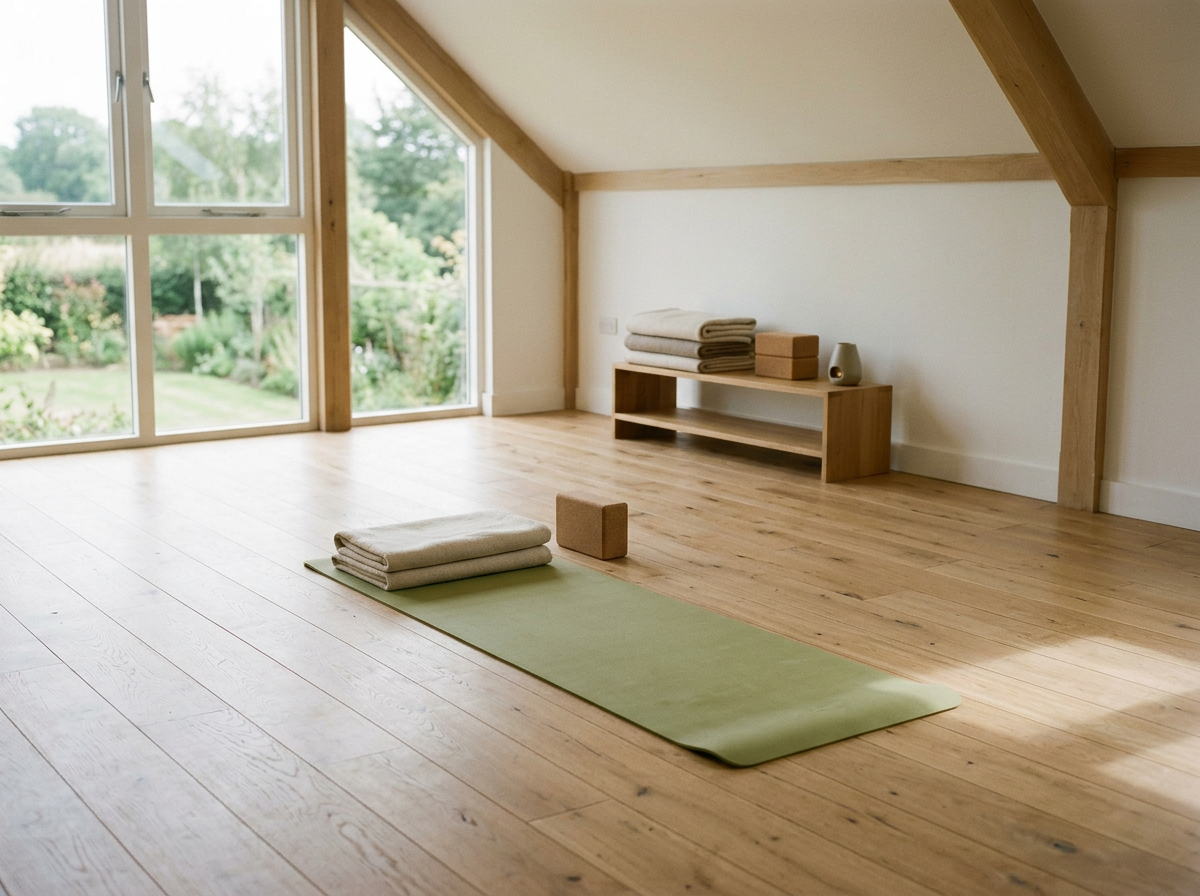
About Our Yoga Classes.
Welcome. Our classes blend evidence-based yoga practices with a therapeutic, trauma-informed approach designed to support physical wellbeing, emotional regulation, and community connection. Below is a clear explanation of what we offer, what to expect, and how to prepare so you can decide if our classes are a good fit.
What these classes are:
- Therapeutic, trauma-informed yoga taught by a licensed clinical social worker with specialized training in integrating mental health principles into movement and breathwork.
- Classes combine gentle physical postures (asanas), breath practices (pranayama), guided relaxation, and accessible mindfulness techniques.
- Emphasis is on interoception (body awareness), safety, choice, and empowerment rather than performance or advanced flexibility.
Core goals and benefits
- Improve bodily awareness, flexibility, balance, and strength.
- Reduce stress, anxiety, and physiological arousal through breath and nervous-system regulation.
- Support emotion regulation, grounding, and improved sleep.
- Build skills for coping with difficult sensations, thoughts, and memories.
- Strengthen social connection and community in a supportive, nonjudgmental setting.
Who these classes are for
- All levels welcome: beginners to experienced practitioners. Poses and sequences are offered with multiple modifications.
- Individuals seeking mind–body integration, stress reduction, or supplemental support alongside therapy or medical care.
- Not a replacement for individualized psychotherapy or medical treatment; if you require clinical therapy, please schedule a separate clinical appointment.
Trauma-informed approach and safety
- Emphasizes choice, predictability, collaboration, and respect for personal boundaries.
- Instructors use invitational language (e.g., “you might try…”), offer options rather than directives, and normalize varied reactions.
- Breathing and somatic practices are introduced gradually; students are encouraged to opt-out of any practice that feels unsafe.
- Confidentiality and professional boundaries are maintained, but group-class disclosures are not the same as confidential therapy; instructors can provide referrals for individual clinical services as needed.
Class structure (typical 50-60 minute format)
- Welcome/check-in (2–5 min): brief grounding and overview of class and intention setting
- Gentle warm-up (8–12 min): slow movement to increase mobility and connect with breath.
- Main practice (25–30 min): a mindful sequence focusing on alignment, balance, strength, or restorative poses with adaptations.
- Breathwork & relaxation (10–12 min): guided pranayama, progressive relaxation, or a short guided meditation.
- Closing (2–5 min): gentle return to awareness, optional journaling prompt or brief group reflection.
What to expect in class
- Inclusive, non-competitive environment; emphasis on personal experience and self-care.
- Clear cueing for alignment and multiple variations for poses; props (blocks, straps, bolsters) used to support accessibility.
- Possible brief psychoeducational comments about stress, nervous system responses, or self-care strategies — not personalized therapy during class.
How to prepare
- Wear comfortable, layered clothing that allows movement.
- Bring a yoga mat; studio may provide props—check class listing.
- Avoid heavy meals within 60–90 minutes of class; stay hydrated.
- Arrive a few minutes early to settle in, or log on early for virtual classes.
- If pregnant, recovering from injury, or under medical care, consult your provider and inform the instructor before class.
Safety, modifications, and communication
- Always honor your body and pain signals; mild discomfort can be part of stretching, while sharp pain is a signal to stop.
- Inform the instructor of major health concerns, recent injuries, surgeries, cardiovascular issues, or pregnancy.
- Modifications and chair-based options are offered when needed. You may step out of any practice at any time.
Etiquette and community guidelines
- Arrive on time and stay present; silence phones and minimize distractions.
- Respect personal space and consent for hands-on adjustments—none will be given unless explicitly agreed to by you.
- Maintain a supportive, nonjudgmental attitude toward fellow students; personal sharing is optional.
Frequently asked questions (brief)
- Can beginners join? Yes—classes are designed for all levels with clear modifications.
- Is this therapy? No—classes support wellbeing and use therapeutic-informed methods, but group classes are not individualized psychotherapy. Contact the instructor for clinical services.
- Will there be physical adjustments? Only with explicit consent; instructors prioritize verbal cueing and props.
- What if I have mental-health concerns? Classes can be helpful as a complement, but reach out to your mental-health provider if you have active suicidal ideation, severe dissociation, or need crisis support.
Want to learn more or try a class ?
- Contact us at Molly@creatingwellnesskc.org for schedules, class descriptions, and pricing. If you’d like individualized clinical care, request a consultation with the clinician/instructor.
We look forward to supporting your mind–body journey in a safe, welcoming space.